

Ijraset Journal For Research in Applied Science and Engineering Technology
AI-Driven Approaches to Improve Cybersecurity in Financial Transactions
Authors: Sneha B. Sahane
DOI Link: https://doi.org/10.22214/ijraset.2026.77419
Certificate: View Certificate
Abstract
The rapid digitalization of financial services has significantly increased exposure to cyber threats targeting financial transactions. Traditional rule-based cybersecurity mechanisms are insufficient against evolving attack strategies such as fraud, identity theft, adversarial manipulation, and advanced persistent threats. Artificial Intelligence (AI) and Machine Learning (ML) provide adaptive, scalable, and real-time solutions for detecting and mitigating financial cyber risks. This paper presents a comprehensive study of AI-driven approaches for improving cybersecurity in financial transactions. It analyzes supervised, unsupervised, deep learning, graph-based, and reinforcement learning techniques, along with their applications in fraud detection, anti-money laundering (AML), identity verification, and threat intelligence. Implementation frameworks, challenges, ethical implications, and future research directions are also discussed. The results indicate that AI significantly enhances detection accuracy and response efficiency while introducing challenges related to explain ability, privacy, fairness, and adversarial robustness.
Introduction
The global financial system has rapidly shifted toward digital platforms such as online banking, mobile payments, e-wallets, and cryptocurrencies. While this transformation improves efficiency and accessibility, it also increases exposure to cyber threats, including phishing, malware, account takeover, insider attacks, and advanced fraud schemes. Traditional rule-based cybersecurity systems are no longer sufficient because modern threats evolve dynamically. AI-driven cybersecurity systems provide adaptive, real-time detection through machine learning and deep learning techniques.
Architecture of AI-Driven Financial Cybersecurity Systems


4
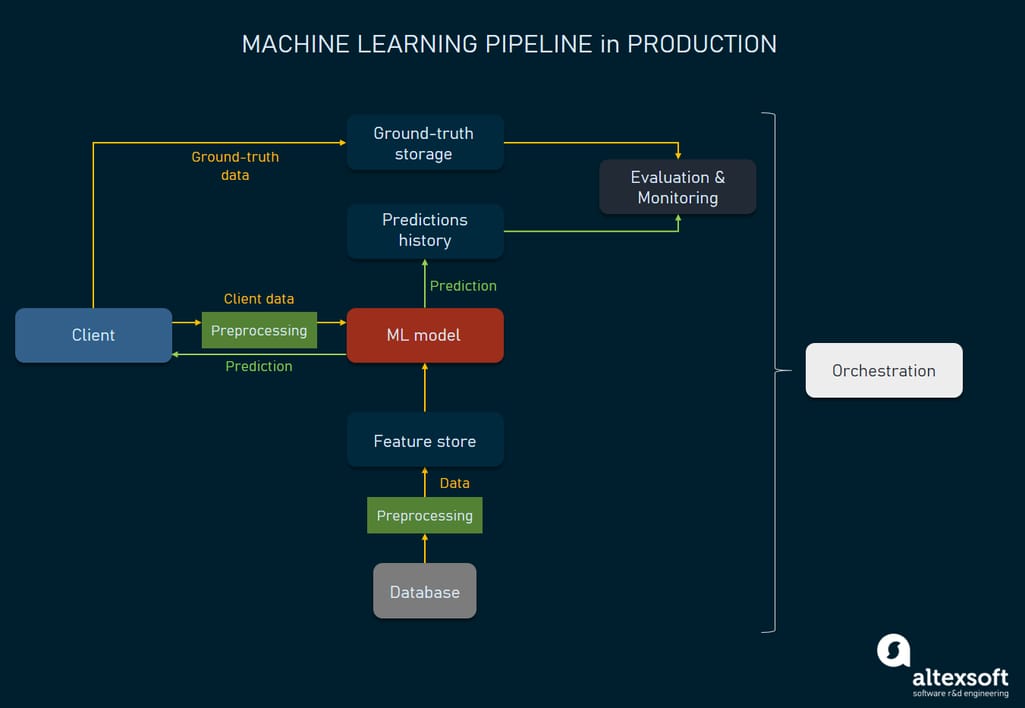
AI-based financial cybersecurity systems typically follow a multi-layered structure:
-
Data Acquisition Layer – Collects transaction logs, behavioral data, and network telemetry.
-
Preprocessing & Feature Engineering – Cleans, transforms, and extracts meaningful features.
-
AI Model Layer – Applies machine learning (ML) and deep learning (DL) models.
-
Real-Time Decision Engine – Produces fraud risk scores and authentication decisions.
-
Monitoring & Feedback Loop – Continuously updates models and detects drift.
AI Techniques Used in Financial Cybersecurity
1. Supervised Learning
Uses labeled data to classify transactions as legitimate or fraudulent.
Common models: Logistic Regression, Random Forest, SVM, and ensemble methods.
2. Unsupervised Learning & Anomaly Detection
Detects unusual patterns without labeled fraud data.
Techniques include:
-
K-means clustering
-
Principal Component Analysis (PCA)
-
Autoencoders
3. Deep Learning Approaches


4
-
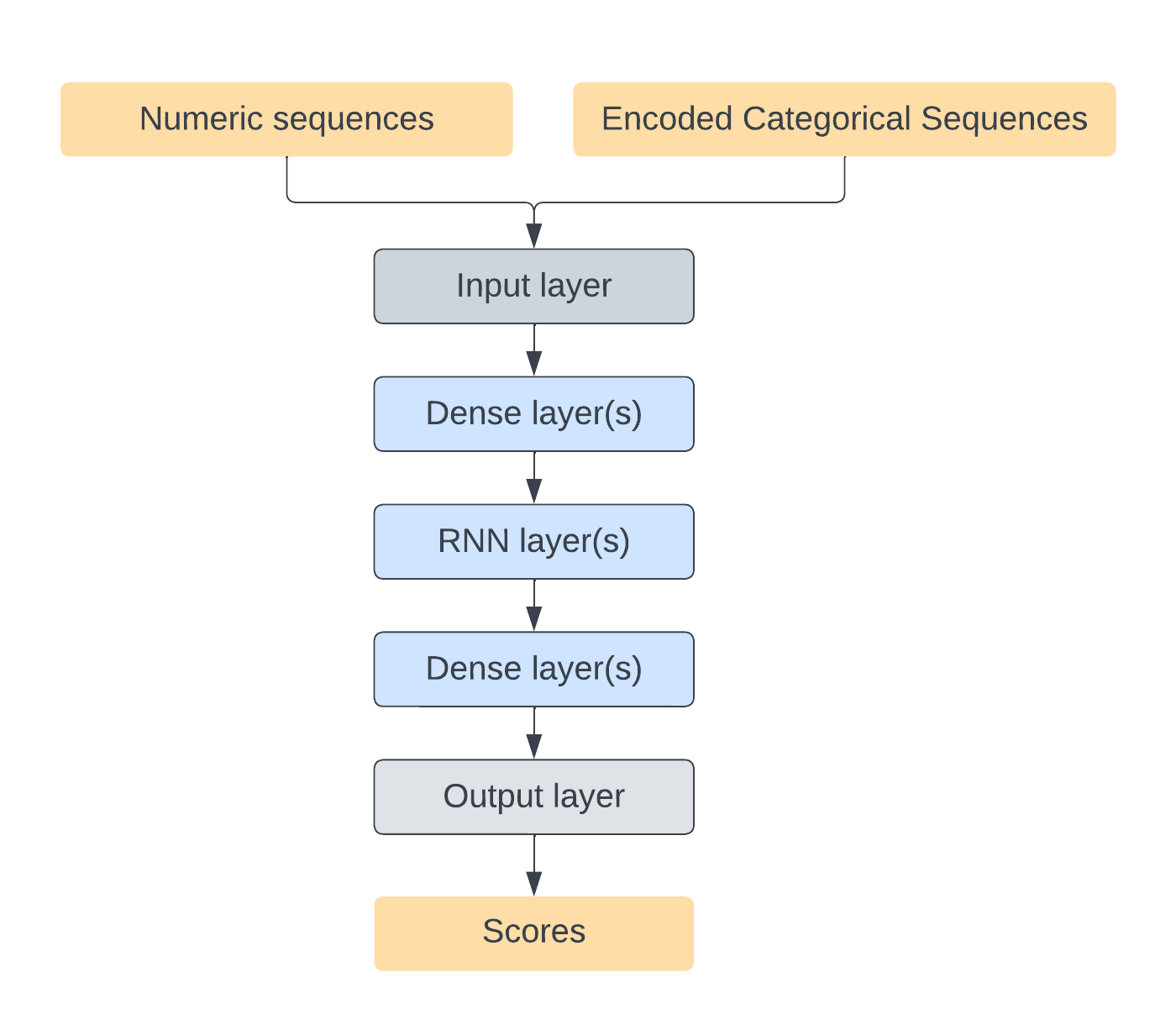
RNNs analyze sequential transaction behavior.
-
CNNs extract spatial and behavioral patterns.
-
Graph Neural Networks (GNNs) detect complex fraud rings and AML transaction networks.
4. Reinforcement Learning
Optimizes adaptive authentication by dynamically adjusting security policies based on risk levels.
Key Applications
Fraud Detection
AI analyzes transaction attributes such as amount, frequency, geolocation, device fingerprint, and behavioral biometrics to detect fraud in real time.
Anti-Money Laundering (AML)
4
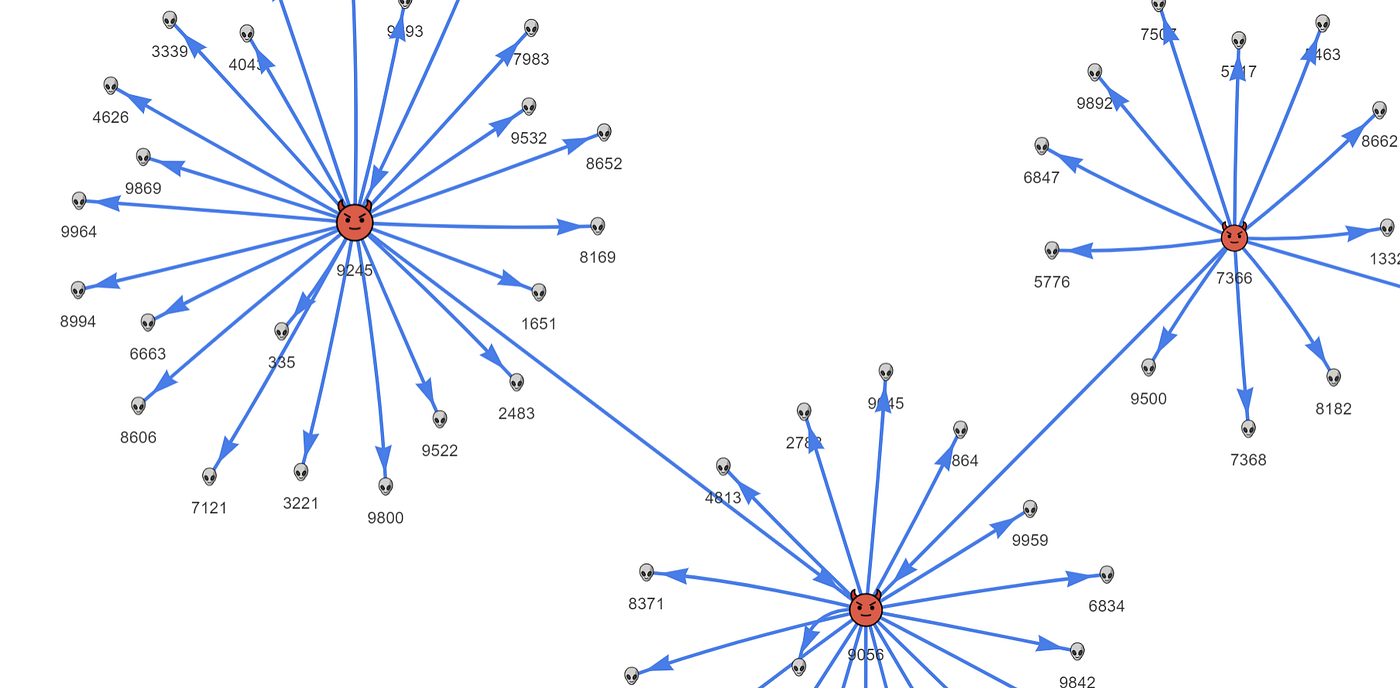
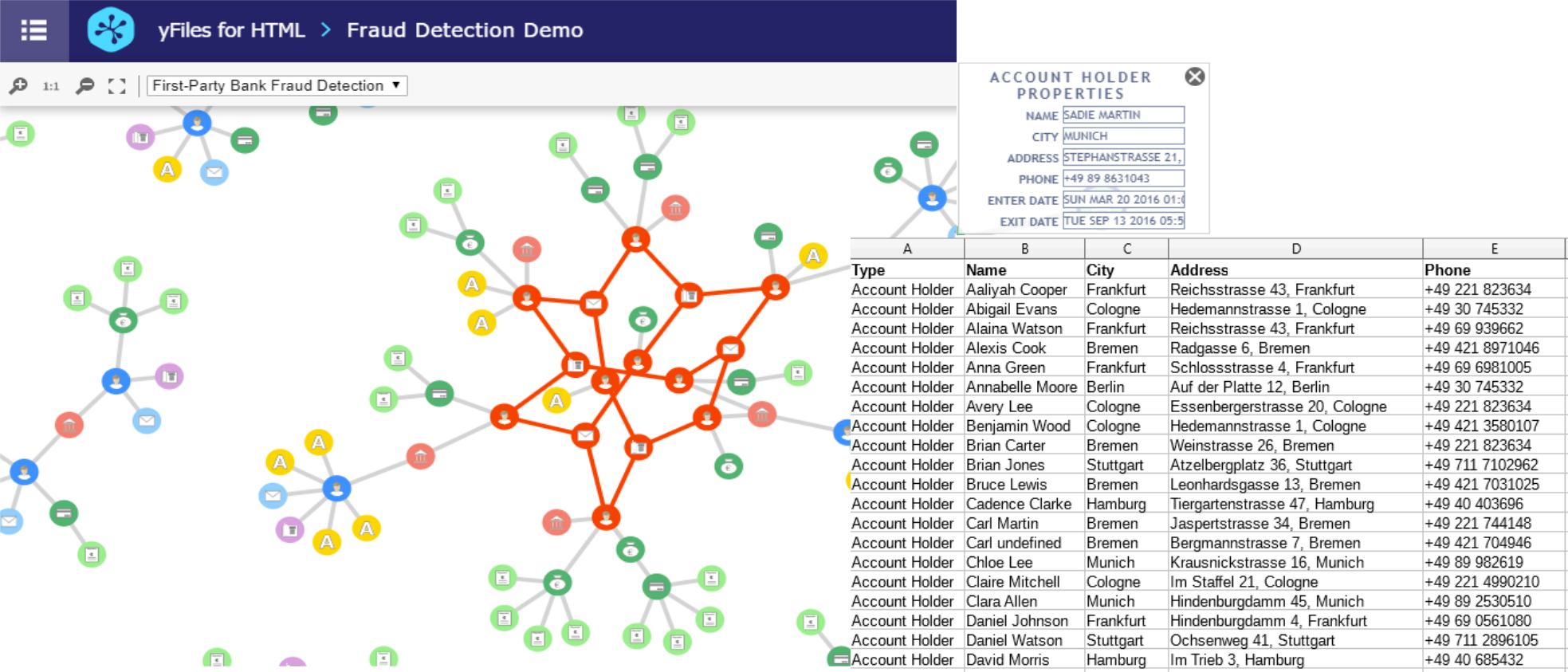
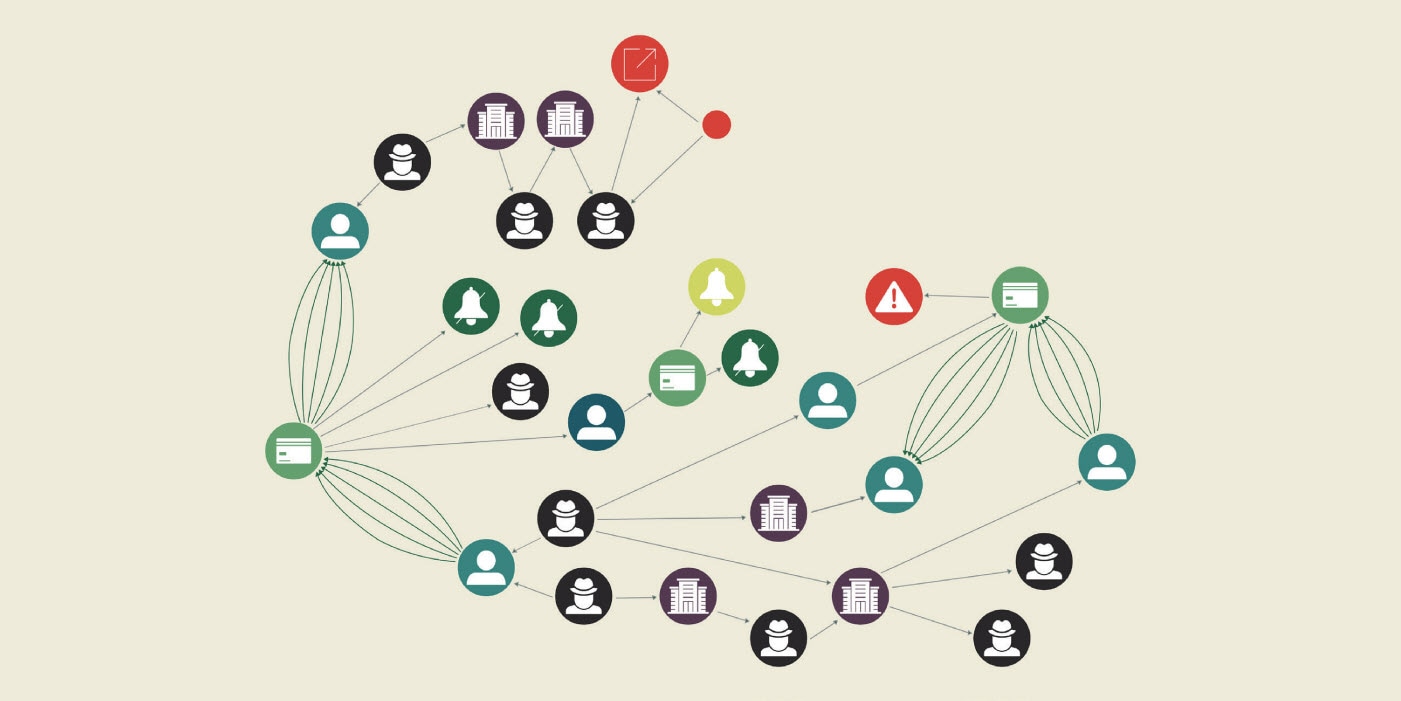
Graph-based models identify hidden financial relationships and suspicious transaction patterns.
Identity Verification & Behavioral Biometrics
AI enhances authentication through:
-
Facial recognition
-
Voice recognition
-
Keystroke dynamics
-
Mouse movement tracking
Implementation Framework
-
Data Collection & Preprocessing – Integrates transaction logs, user behavior, and threat intelligence.
-
Model Training & Evaluation – Uses metrics such as Accuracy, Precision, Recall, F1-score, and ROC-AUC; cost-sensitive learning handles class imbalance.
-
Deployment & Monitoring – Requires low-latency inference, drift detection, continuous retraining, and compliance auditing.
Challenges and Limitations
-
Data Privacy & Compliance – Must follow regulatory frameworks; federated learning supports decentralized training.
-
Adversarial Attacks – Models can be manipulated; robust defenses are required.
-
Bias & Explainability – Explainable AI tools improve transparency and fairness.
-
Scalability & Cost – High computational demands increase infrastructure costs.
Ethical & Regulatory Considerations
AI systems must ensure transparency, accountability, fairness, and privacy protection. Regulatory bodies increasingly demand interpretable decision-making.
Future Research Directions
-
Federated learning across banking ecosystems
-
Blockchain-AI integration for secure transaction tracking
-
Adversarially robust AI models
-
Quantum AI for advanced cryptographic security
Conclusion
AI-driven approaches substantially enhance cybersecurity in financial transactions by enabling adaptive, real-time threat detection. Machine learning, deep learning, graph analytics, and reinforcement learning collectively strengthen fraud detection, AML compliance, and identity verification. Despite these advancements, challenges related to privacy, explainability, bias, and adversarial robustness remain significant. Future research should focus on privacy-preserving AI, regulatory compliance, and resilient AI architectures to ensure secure and trustworthy financial ecosystems.
References
[1] S. J. Stolfo et al., “Cost-based modeling for fraud and intrusion detection,” Proc. DARPA DISCEX, 2000. [2] A. Ngai et al., “Data mining techniques in financial fraud detection,” Decision Support Systems, 2011. [3] V. Chandola et al., “Anomaly detection: A survey,” ACM Computing Surveys, 2009. [4] I. Goodfellow et al., Deep Learning. MIT Press, 2016. [5] J. West and M. Bhattacharya, “Intelligent financial fraud detection,” Computers & Security, 2016. [6] S. Bhattacharyya et al., “Credit card fraud detection,” Decision Support Systems, 2011. [7] T. Kipf and M. Welling, “Graph convolutional networks,” ICLR, 2017. [8] M. Egele et al., “Dynamic malware-analysis techniques,” ACM CSUR, 2012. [9] N. Papernot et al., “Adversarial deep learning limitations,” IEEE EuroS&P, 2016. [10] B. Ribeiro et al., “Explaining classifier predictions,” KDD, 2016. [11] D. Silver et al., “Mastering the game of Go,” Nature, 2016. [12] F. Carcillo et al., “Streaming active learning for fraud detection,” 2020. [13] M. Conti et al., “IoT security and forensics,” 2018. [14] P. Kairouz et al., “Federated learning advances,” 2021. [15] European Central Bank, “Card fraud statistics,” 2023. [16] NIST, Cybersecurity Framework, 2018
Copyright
Copyright © 2026 Sneha B. Sahane. This is an open access article distributed under the Creative Commons Attribution License, which permits unrestricted use, distribution, and reproduction in any medium, provided the original work is properly cited.

Download Paper
Paper Id : IJRASET77419
Publish Date : 2026-02-11
ISSN : 2321-9653
Publisher Name : IJRASET
DOI Link : Click Here
 Submit Paper Online