

Ijraset Journal For Research in Applied Science and Engineering Technology
AI-Driven Sustainable Ecosystem for Aquaculture with Nutrient Recycling
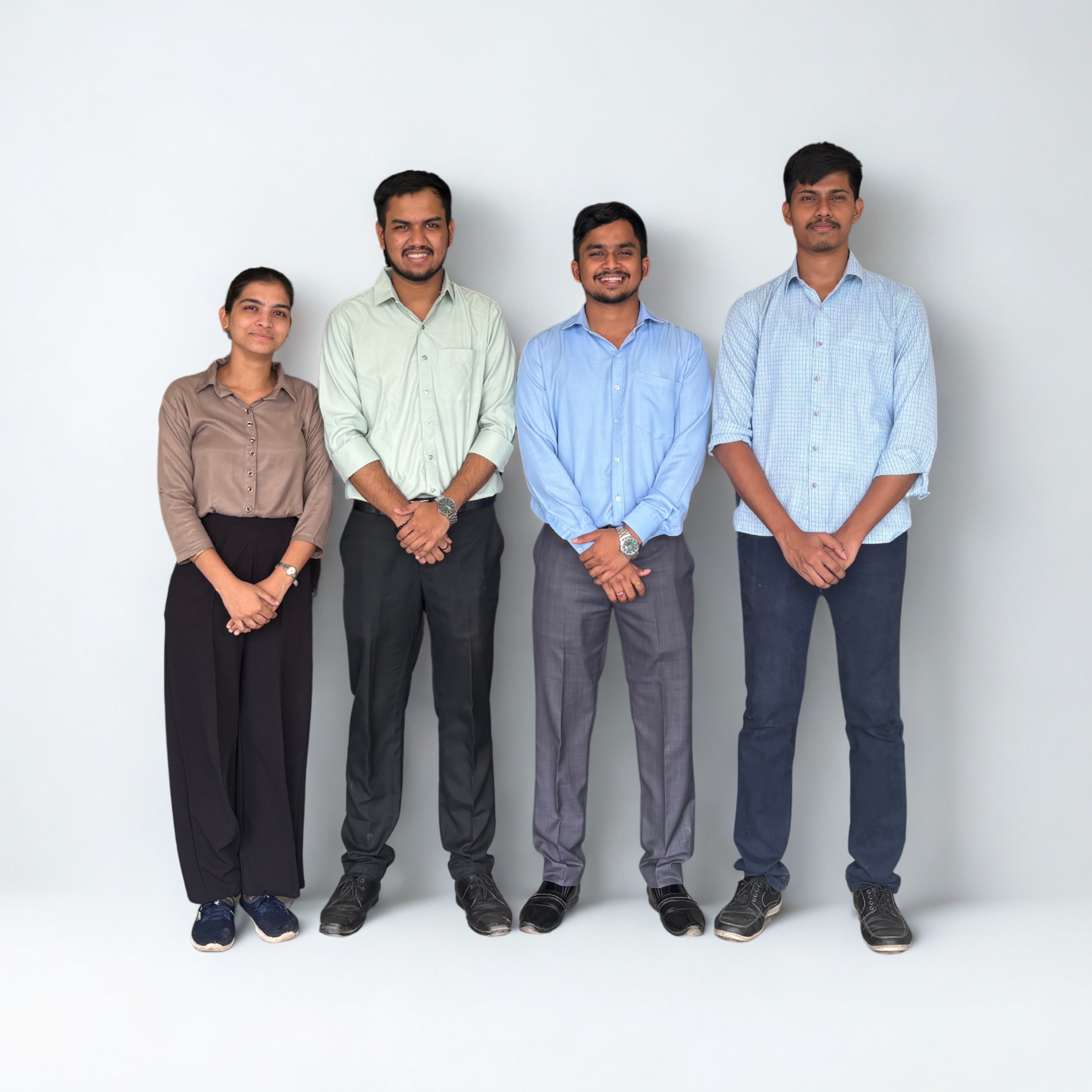
Authors: Aniket Halder, Harsh Bargude, Mayuri Jagdale, Nimay Ghadigaonkar
DOI Link: https://doi.org/10.22214/ijraset.2026.79291
Certificate: View Certificate
Abstract
Aquaculture plays a crucial role in global food production, but maintaining optimal water quality in fish ponds remains a major challenge. Traditional monitoring methods rely on manual inspection and periodic testing, which are time-consuming and often fail to detect sudden changes in water conditions. This paper presents an AI-Driven Sustainable Ecosystem for Aquaculture with Nutrient Recycling, an intelligent system that integrates Internet of Things (IoT), Machine Learning (ML), and web technologies for real-time monitoring and automated control of aquatic environments. The system utilizes sensors to continuously measure water quality parameters such as pH, turbidity, temperature, and total dissolved solids (TDS). Data is processed using a Raspberry Pi controller that triggers automated responses such as UV disinfection and filtration when unsafe conditions are detected. Additionally, a lightweight computer vision model using YOLO and TensorFlow Lite identifies floating debris using a Raspberry Pi camera. The system also introduces a sustainable nutrient recycling module that converts fish waste into organic fertilizer for plant irrigation. A web-based dashboard provides farmers with real-time monitoring, alerts, and remote-control capabilities. The proposed system improves water quality management, reduces manual labour, and promotes environmentally sustainable aquaculture practices.
Introduction
The text presents an AI-driven smart aquaculture system designed to improve water quality monitoring, fish health, and sustainability in fish farming using IoT, machine learning, and automation.
It begins by highlighting the importance of maintaining stable water conditions in aquaculture, as factors like pH, temperature, turbidity, and dissolved solids directly affect fish health and productivity. Traditional manual monitoring methods are slow, reactive, and often lead to delayed detection of water contamination, causing economic losses.
To solve this, the proposed system integrates IoT sensors, machine learning, computer vision, and automation into a unified platform. Water quality sensors connected to a Raspberry Pi continuously monitor parameters such as pH, turbidity, temperature, and TDS. The system processes this data in real time and compares it with predefined thresholds to detect unsafe conditions.
When abnormalities are detected, the system automatically activates corrective mechanisms such as UV disinfection lamps and filtration pumps to restore safe water conditions. Additionally, a computer vision model (YOLO or TensorFlow Lite) analyzes images of the water surface to detect floating debris or contaminants.
The system also includes a cloud-based dashboard for real-time monitoring and historical data analysis, allowing farmers to track pond conditions remotely. Automated alerts are sent via SMS when critical conditions occur.
A key innovation is the nutrient recycling system, where fish waste is processed into fertilizer for plants, enabling a sustainable aquaponics-style circular ecosystem.
The implementation uses Raspberry Pi, sensors, ADS1115 converters, Python, Flask, OpenCV, TensorFlow Lite, and SQLite for efficient edge-based processing and storage.
Overall, the system provides a cost-effective, automated, and sustainable aquaculture solution that improves water quality management, reduces manual effort, and promotes environmental sustainability.
Conclusion
This paper presents an AI-driven smart aquaculture system designed to improve water quality monitoring, automate purification processes, and promote sustainable resource management. The integration of IoT sensors, machine learning models, and web-based dashboards allows continuous monitoring and rapid response to environmental changes. The proposed system reduces manual labor, increases operational efficiency, and supports sustainable aquaculture through nutrient recycling. By converting fish waste into plant fertilizer and enabling automated water treatment, the system creates a circular ecosystem that benefits both aquaculture and agriculture. Future work will focus on improving machine learning models for more accurate environmental prediction, integrating additional sensors such as dissolved oxygen sensors, and testing the system in large-scale aquaculture farms.
References
[1] Hemal et al., “AquaBot: IoT-based Automatic Pond Monitoring System,” 2024. [2] MDPI, “Water Quality Forecasting and Classification using Machine Learning,” 2025. [3] Nature Scientific Reports, “Explainable AI for Water Quality Prediction,” 2024. [4] Studies on UV Disinfection in Aquaculture Systems, 2024. [5] Reviews on IoT-based Aquaculture Monitoring Systems, 2023.
Copyright
Copyright © 2026 Aniket Halder, Harsh Bargude, Mayuri Jagdale, Nimay Ghadigaonkar. This is an open access article distributed under the Creative Commons Attribution License, which permits unrestricted use, distribution, and reproduction in any medium, provided the original work is properly cited.
Download Paper
Paper Id : IJRASET79291
Publish Date : 2026-04-02
ISSN : 2321-9653
Publisher Name : IJRASET
DOI Link : Click Here
 Submit Paper Online